


Freezer care for inverse ice cores
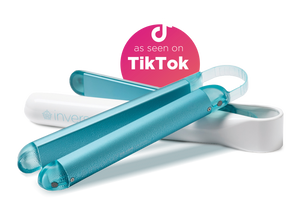
inverse ice cores perform best when the freezer shelf stays tidy and the plates reach your hair at a steady sub-zero window. This guide collects the habits our lab pages reference in plain language so you can repeat the same pass every wash day.
Claim a stable shelf
Pick a middle shelf where the compressor cycles wobble less than the door pocket. Slide a shallow tray under the cores so any frost melt never touches cardboard boxes below. If you rotate more than one set of cores, write the month on painter tape stuck to the tray edge so older packs get used first.
Prep sequence before you mist
- Dry-wipe the tong housing with a lint-free cloth so crumbs never freeze into the hinge.
- Rest frozen cores on a coaster for 60 to 90 seconds when hair feels tacky on first contact, then continue gliding faster so strands never stick.
- Mist only after the cores feel uniformly frosted, matching the order shown on the how to use diagrams.
When frost looks cloudy
Cloudy frost usually means humidity entered the bag. Thaw cores inside their sealed pouch, rinse the plastic shells with cool water, dry completely, then refreeze overnight. Skip harsh scrub brushes because they score the surface that contacts hair.
Pair this page with deeper reads
The science article explains why cold changes the cuticle while the hair type quiz narrows section size and speed for curls versus fine lengths. Return policy questions belong in the FAQ, and the starter pack listing shows exactly which cores ship in the current box.
When you finish a session, return cores to the labelled tray, close the drawer fully, and hop back to the inverse hair homepage for product drops or blog updates.
inverse products


